
Introduction
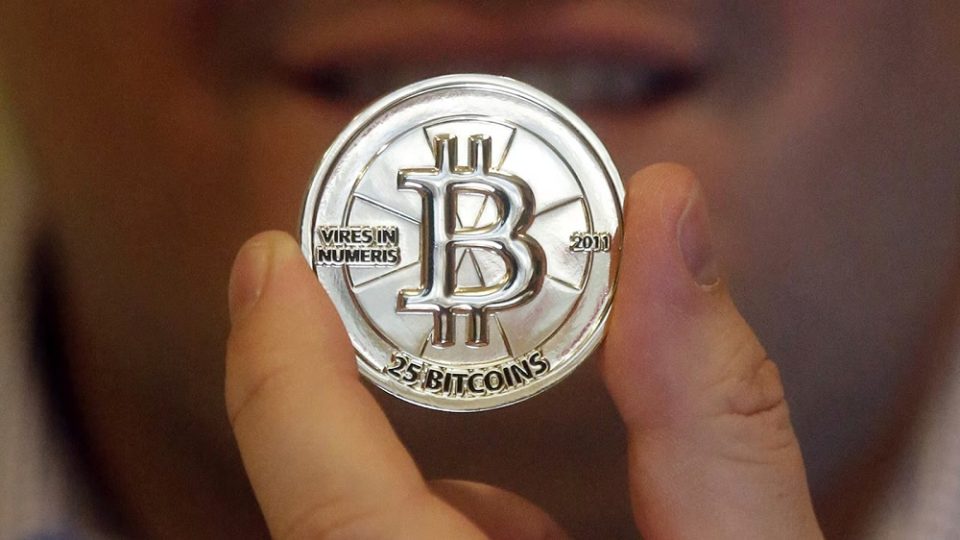
In an era defined by technological marvels and shifting economic paradigms, few inventions have stirred as much curiosity and debate as Bitcoin. Heralded by some as the greatest financial innovation of the 21st century and dismissed by others as a passing fad, Bitcoin occupies a unique position in the modern financial landscape—a digital asset that transcends borders, challenges conventional monetary systems, and ignites fervent discussions about the future of money.
The Birth of Bitcoin: An Answer to Crisis
Bitcoin did not appear in a vacuum. Its origin is intrinsically tied to the 2008 global financial crisis, a moment when public trust in traditional financial institutions reached an all-time low. Against this backdrop of bank bailouts and collapsing economies, an elusive figure—or perhaps a collective—operating under the pseudonym Satoshi Nakamoto released a white paper that proposed an alternative: a decentralized, peer-to-peer electronic cash system free from the control of governments or central banks. In January 2009, Bitcoin’s genesis block was mined, quietly setting the stage for what would become a seismic shift in how humans conceptualize money.
Understanding How Bitcoin Works
To truly appreciate Bitcoin’s disruptive potential, one must first understand its underlying mechanics and the principles that safeguard its integrity.
-
Blockchain Technology: Bitcoin operates on a decentralized ledger known as the blockchain. This continuously growing chain of blocks records every transaction ever made, accessible to anyone yet virtually impossible to alter. This transparency and immutability form the backbone of Bitcoin’s trustless system.
-
Proof of Work: Unlike traditional systems where a trusted authority verifies transactions, Bitcoin relies on miners—individuals or groups who use computational power to solve complex cryptographic puzzles. This process, called Proof of Work, secures the network and rewards miners with new bitcoins.
-
Limited Supply: Scarcity is a key feature. Bitcoin’s protocol caps the total number of coins at 21 million, a deliberate design to counteract the inflationary tendencies of fiat currencies.
These technological pillars converge to create a system that many argue is more resilient, transparent, and democratic than legacy financial structures.
Why Bitcoin Resonates: Beyond Speculation
Much of the public discourse around Bitcoin fixates on its volatile price swings and tales of overnight millionaires. Yet its appeal extends far deeper than speculative gains.
-
Financial Sovereignty: Bitcoin empowers individuals to become their own bank. Funds can be stored, sent, or received without intermediaries, providing a lifeline in regions where traditional banking is unreliable or oppressive.
-
A Hedge Against Inflation: In countries plagued by runaway inflation—Venezuela and Zimbabwe come to mind—Bitcoin offers an alternative store of value, a digital escape hatch from depreciating national currencies.
-
Borderless Transactions: The Bitcoin network knows no borders. Anyone with an internet connection can participate, sending funds across continents in minutes, a stark contrast to the days or weeks required by legacy systems.
-
Catalyst for Innovation: Bitcoin’s open-source nature has inspired a flourishing ecosystem of blockchain-based projects. From smart contracts to decentralized finance (DeFi), Bitcoin ignited a broader movement reimagining how value can be exchanged and agreements enforced.
Critiques and Challenges
For all its promise, Bitcoin is not without flaws—some intrinsic, others emerging from its meteoric rise to prominence.
-
Price Volatility: Bitcoin’s price is infamous for its unpredictability. For all its virtues as “digital gold,” its fluctuating value makes it challenging to use as a stable medium of exchange.
-
Environmental Concerns: The energy-intensive nature of Proof of Work mining has come under fire for its environmental footprint, prompting calls for greener consensus mechanisms.
-
Regulatory Scrutiny: Governments worldwide are still grappling with how to categorize and regulate Bitcoin. Its pseudonymous nature raises concerns about illicit activities, from money laundering to tax evasion.
Despite these criticisms, Bitcoin has shown remarkable resilience, weathering regulatory crackdowns, technological forks, and relentless skepticism to become a fixture in global finance.
Bitcoin’s Cultural Significance
More than just a financial asset, Bitcoin is a cultural phenomenon. It embodies ideals of freedom, privacy, and resistance to centralized control. For its advocates, Bitcoin is more than code—it is a declaration of independence from opaque monetary policies and systems that have historically favored a privileged few.
Communities of developers, investors, and enthusiasts have coalesced around Bitcoin, fostering a vibrant culture of debate and experimentation. Conferences, meetups, and online forums buzz with discussions that range from the technical minutiae of cryptography to philosophical musings on monetary sovereignty.
The Future: An Evolving Narrative
Where does Bitcoin go from here? Predictions run the gamut from Bitcoin replacing gold as the ultimate store of value to governments introducing competing Central Bank Digital Currencies (CBDCs) that integrate blockchain technology while maintaining state control.
Key developments to watch include:
-
Technological Enhancements: Layer-two solutions like the Lightning Network aim to make Bitcoin transactions faster and more scalable, addressing one of its major limitations.
-
Mainstream Adoption: As institutional investors continue to enter the space and major companies integrate Bitcoin payments, its legitimacy as an asset class solidifies.
-
Regulatory Clarity: Clearer frameworks will likely emerge as governments balance the need for innovation with concerns over consumer protection and systemic risks.
Advice for the Prudent Observer
-
Educate Yourself: Before diving into Bitcoin, understand its technological underpinnings, market dynamics, and legal implications.
-
Diversify: Bitcoin, while compelling, should form part of a broader investment strategy rather than a singular bet.
-
Stay Informed: The landscape changes rapidly. New developments, regulatory shifts, and technological breakthroughs can dramatically alter Bitcoin’s trajectory.
Conclusion
Bitcoin is no longer a fringe experiment discussed only in obscure corners of the internet. It is now woven into the fabric of global finance and technological innovation. Whether one sees it as an investment vehicle, a hedge against systemic risk, or a profound statement on individual autonomy, Bitcoin has irrevocably changed how we think about money and trust.
Its journey from a white paper to a multi-trillion-dollar market is a testament to the human appetite for challenging the status quo. As the world moves deeper into the digital age, Bitcoin remains not merely a currency but a symbol—an enduring reminder that innovation often arises when faith in old systems falters, and that sometimes, the boldest solutions emerge from the simplest ideas: transparency, decentralization, and the power of trustless consensus.
